
Stay Protected from 48-Hour SMS Attacks with SmishAlert.ai
Understanding 48-Hour Attacks
The recent Forbes article outlined the threat of 48-hour attacks, a new form of SMS phishing where cybercriminals send malicious texts from specific phone numbers. These messages, often disguised as legitimate notifications, trick users into revealing sensitive information. The cyber threat landscape is continuously evolving, and these 48-hour attacks represent a new way for attackers to exploit unassuming individuals and businesses.
The Role of SmishAlert in SMS Security
SmishAlert offers an advanced SMS threat detection and filtering system that can help users stay safe from such phishing attempts. It provides real-time blocking of phishing attempts, making it highly effective against 48-hour attacks. By filtering out potentially harmful texts from flagged phone numbers, SmishAlert ensures that users do not fall prey to such sophisticated scams.
User Education and Awareness Training
Alongside providing real-time protection, SmishAlert also focuses on user education and awareness training. Understanding the threats is the first step towards effective cybersecurity. By providing comprehensive education on the latest threats like 48-hour attacks, users are better equipped to recognize and avoid potential phishing attempts.
Enterprise-Grade Protection for Businesses
SmishAlert provides enterprise-grade protection that is crucial for businesses in the current cyber threat landscape. It offers threat intelligence and reporting, mobile security integration, and supports compliance and risk management, making it a comprehensive solution for businesses to protect their sensitive information from SMS phishing attacks.
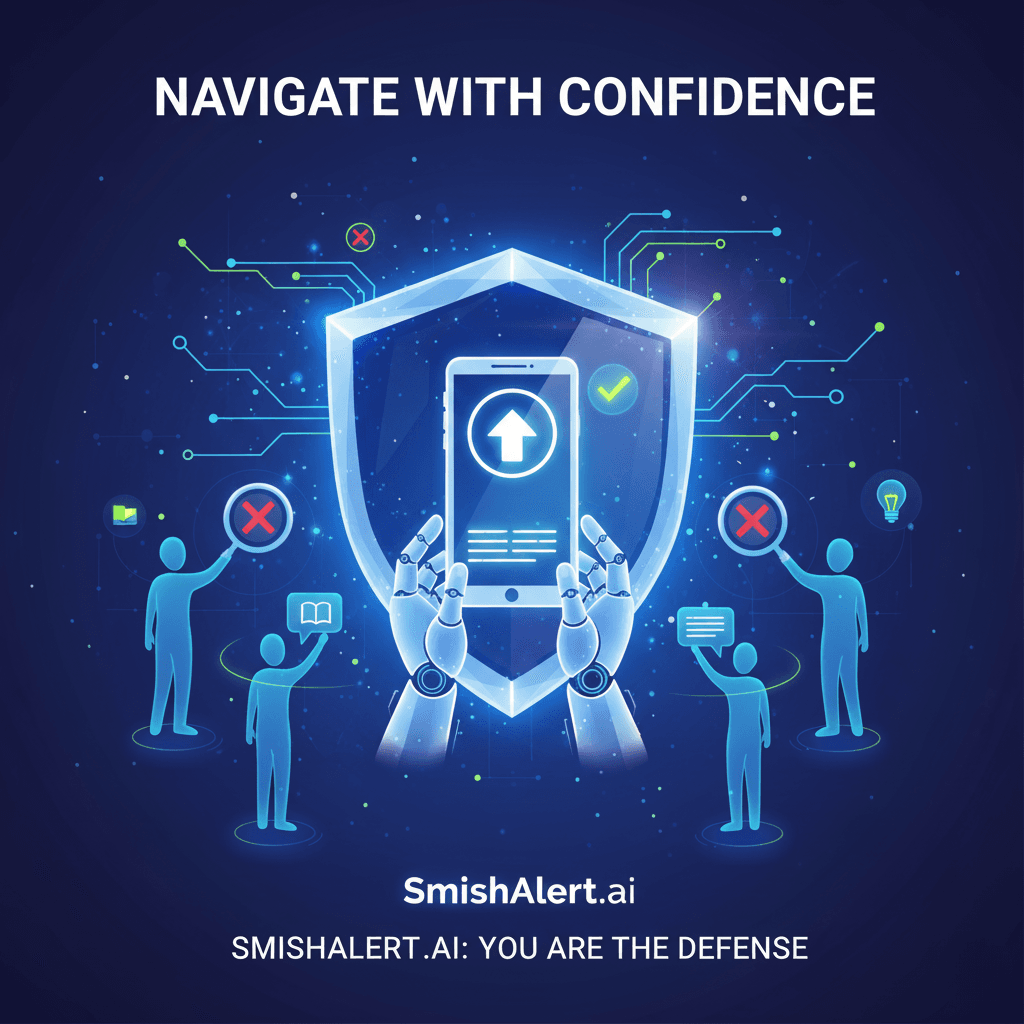
In conclusion, SMS phishing threats like the 48-hour attacks are a pressing concern for individuals and businesses alike. However, with the advanced protection provided by SmishAlert, users can navigate the digital world with confidence. Our platform not only provides real-time threat detection and filtering, but also empowers users with knowledge, making them an integral part of the cybersecurity process.
Source: www.forbes.com